


‘Pan-India’ is now a real term, with audiences from across the world lapping up good cinema, irrespective of where it comes from. What else explains the sweeping appeal of films like Kantara: Chapter 1, Lokahand Coolie? As expectations rise for stories that are rooted and yet have global sensibilities, actors are sharpening their craft. With technology and AI to assist them, filmmakers are creating large, ambitious spectacles. At the same time, small, rooted content still finds a loyal audience.
Here’s a look at how 2025 fared for Indian cinema:
Tamil
A still from ‘Dragon’
| Photo Credit:
Special Arrangement
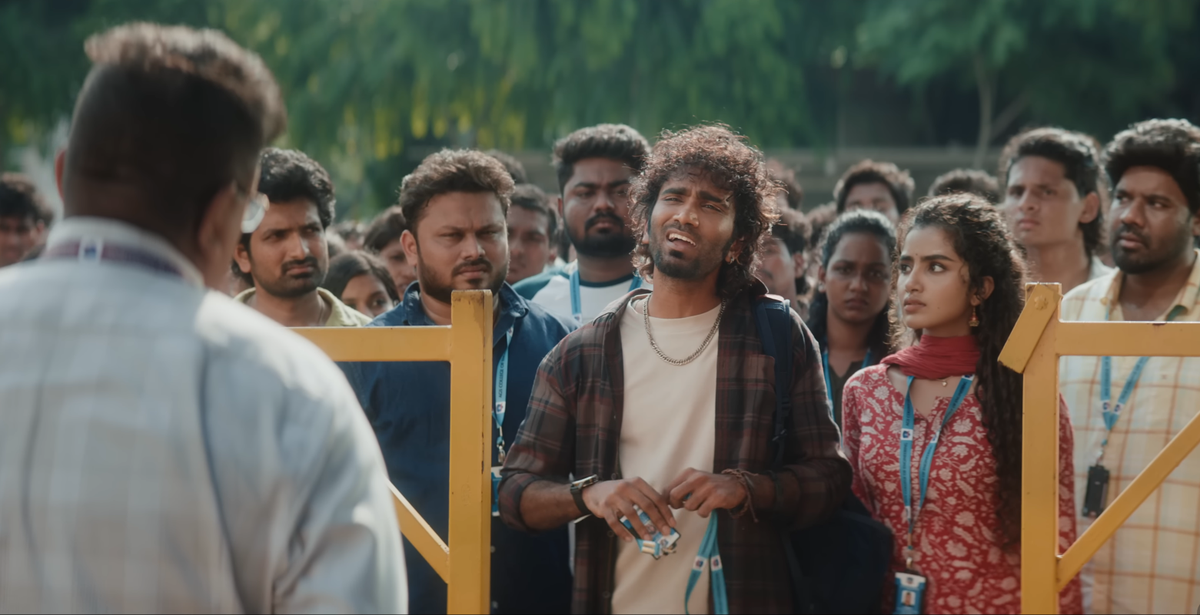
This year has been a mixed bag for both star vehicles and mid-budget films in Tamil. Titles like Dragon, Coolie and Bison made a lot of noise, and, as producer SR Prabhu says, weekend-film-viewing seems to have truly returned to its past glory. “The distinction between theatre films and streaming films has gotten clearer,” he adds.
Although the box office has undoubtedly seen a dip from last year; producer Dhananjayan states that the hit-to-flop ratio isn’t alarming: “This year, around 290-300 films were released in Tamil, of which 90-100 films got the media and audiences’ attention. Of that, around 28 films have done well.”

That said, in contrast to 2024 — where an avalanche of big-star films bottlenecked for the latter half — we have witnessed 11 months of dull big-star cinema. None of the Big Four had a film that fired on all cylinders: Kamal Haasan’s Thug Life ended up as a beached whale; Ajith Kumar dabbled in the extremes of experimentation with Vidaamuyarchi and Good Bad Ugly; and despite managing to earn over ₹500 crores, Rajinikanth’s Coolie wasn’t the outing superstar fans were hoping for from ace director Lokesh Kanagaraj. Moreover, barring the pandemic year 2020, this was the only year without a Vijay film since his debut as a lead in 1992.
“Two of the Pradeep Ranganathan-starrers did over ₹100 crores, but overall, the industry didn’t get the benefit of the big-ticket film this year. So that became a cause of concern,” says Dhananjayan. Meanwhile, Prabhu believes that writers penning big-star vehicles need to be allowed enough time for their screenplays.

This year, many films — like Kudumbasthan, 3BHK, Madras Matinee,Tourist Family, and Paranthu Po— took on the challenge of representing the middle-class struggle.
And boy, do we like messaging! The year also saw the likes of Madharaasi, Maargan, Bison, Shakthi Thirumagan, Aghathiyaaand Maskblend social themes in a genre template, though only a handful made an impact. With one more month to go, during which another Pradeep film is set to come out, and some much-anticipated titles set to release in 2026 — including Vijay’s swansong film Jana Nayagan — maybe hope isn’t a bad thing after all.
Malayalam

Kalyani Priyadarshan in Lokah
| Photo Credit:
SPECIAL ARRANGEMENT
Business-wise, the year has been huge for Malayalam cinema. The top grossers were Lokah Chapter 1: Chandra, which earned more than ₹300 crore worldwide, followed by L2: Empuraan at ₹268 crore and Thudarumat ₹237 crore. Especially revelatory was Dominic Arun and team, who set a new standard for superhero fantasy, not just in Malayalam but also in Indian cinema, with their Lokah. The success of these films was aided by new narratives, well-written stories and taut scripts backed by superlative acting.

More than a year of big releases, 2025 has been a year when varied stories were told… Dies Irae, Hridayapoorvam, Rekhachitram, Narivetta, and Officer on Duty were among the films headlined by the A-listers, with Pranav Mohanlal being the newest entrant to the club.
Interestingly, it was also the year of smaller films, which left a big impact on the box office and audience — Alappuzha Gymkhana, Vysanasamedham Bandhumithrathikal, Padakkalam, Maranamass, Narayaneente Moonaanmakkal, and Ponman. None of these films had big names, excluding Naslen, who hit big time as Sunny in Lokah.
Basil Joseph’s outings in Maranamass and Ponman deserve special mention. “When the right time came, the choice roles-wise got streamlined and the different types of parts started coming in. Ajesh in Ponman is very different and now Maranamass… even within the comedy space, the characters are different,” Basil told The Hindu.

Among the smaller films, Senna Hegde’s Avihithamdeserves special mention. With a limited release, in 40-odd theatres, it did reasonably well and garnered praise. Senna says he is glad that the film ‘found’ its audience. “We did not make Avihitham thinking it will set the box office on fire. It is an attempt. The response has been really good, especially in north Malabar and the multiplexes, thanks to word-of-mouth publicity. It is a tedious process to make a movie with a bunch of new or not-so-familiar faces, that too in a dialect most Malayalis are not familiar with,” he says.
Moonwalkwas another, unexpected gem of sorts. A few ‘festival films’ like Feminichi Fathima and Theatre, which won awards at film festivals, were screened in theatres, which does not happen often.
ekō, from the team of last year’ hit, Kishkindha Kaandam, neither headlined by an A-lister nor mounted by a big production house, is currently having a strong run at the box office, thanks to a fresh narrative and impressive cast. “I knew it would do well, but didn’t expect this level of success,” says director Dinjith Ayyathan.

The year is not done as far as Malayalam cinema goes because Mammootty’s Kalamkavalis up for release in early December, and then there is Nivin Pauly’s Sarvam Maya, tentatively a Christmas release. Who knows? They might just flip the script!
Telugu
A still from ‘Sankranthiki Vasthunam’
| Photo Credit:
Special Arrangement
In Telugu cinema, an undeniable fatigue of pan-India action dramas has set in. And, everyone has had enough of half-hearted narratives stretched into multi-part narratives. It was common to see star-led films crumble in a day or two. Among the 150-plus theatrical releases so far, only a handful have been box office hits.
They Call Him OG, HIT: The Third Case, Daaku Maharaj, and Thandel are among the star-led action films that made some impact. Sekhar Kammula’s Kuberaa showed how stars (Dhanush, Nagarjuna Akkineni, and Rashmika Mandanna) can fit into a social drama.

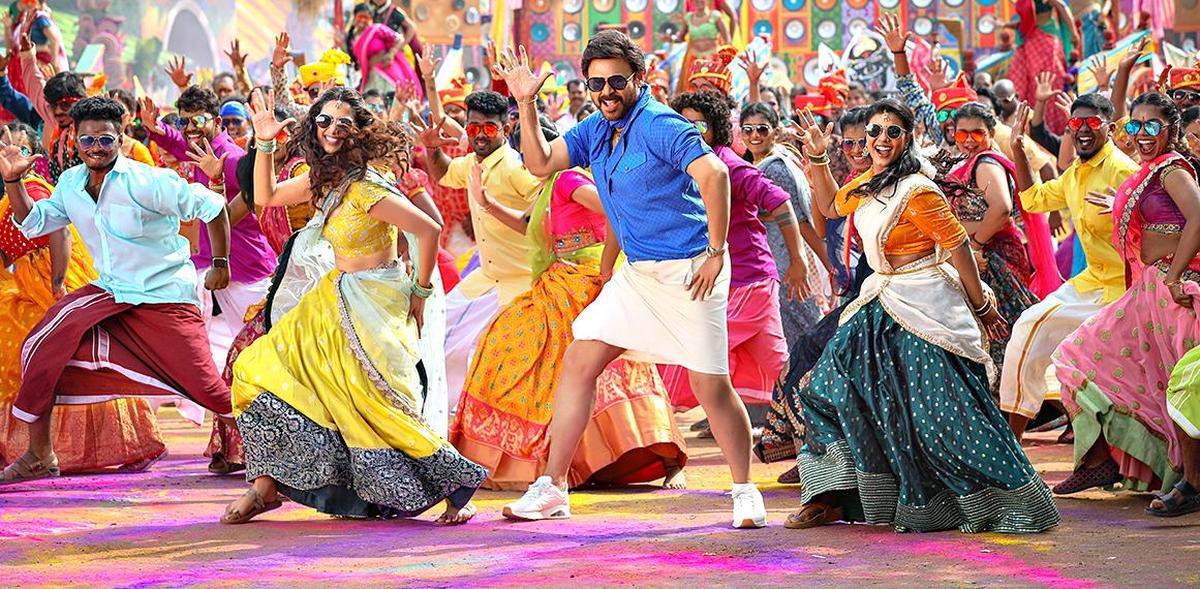
The success of Sankranthiki Vasthunam proved that the audience was yearning for a hearty laugh. This also worked in favour of MAD Square, Subham, Single, and The Great Pre-Wedding Show.
One of 2025’s biggest hits is director Sai Marthand’s Little Hearts. Produced by Aditya Hasan and starring YouTube sensation Mouli Tanuj Prasanth, the film made in over ₹2 crore minted over ₹35 crore.
Films produced with modest budgets either became massive hits — like Little Hearts and Court — or were washouts. Debut director Ram Jagadeesh’s Court benefited from smart storytelling and marketing.
Director Kartik Ghattamaneni’s adventure drama Mirai stood out for its visual effects that defied its modest budget of ₹60 crore. Director Koushik Pegallapalli’s horror thriller Kishkindapuri was another surprise winner.
Among the films led by female protagonists, the one that worked best was director Rahul Ravindran’s The Girlfriend, led by Rashmika Mandanna. The word-of-mouth publicity debunked the myth that female audiences do not drive box office successes. The trend of re-releasing older hits continued, with the notable ones being Jagadeka Veerudu Athiloka Sundari and Shiva.
A re-edited, condensed version of the Baahubali films arrived as Baahubali: The Epic. A little shy of four hours in duration, the SS Rajamouli saga was a success in Telugu, though it underperformed in other languages.

Producer Shobu Yarlagadda concurs, “This year has seen films become a hit or a miss. The ones that resonated with the audiences worked very well, like Little Hearts.”
He also points out how the past box office records of stars were no guarantee for new films to do well. Further, with digital platforms becoming selective of buying new films, theatrical collections became paramount to recover investment costs.
2025 isn’t over, and several Telugu films have been lined up for theatrical release till Christmas.
Kannada
A still from the movie ‘Su From So’
| Photo Credit:
Special Arrangement
While it’s interesting that the Kannada film industry has produced one or two pan-Indian hits since 2022, the fact remains that Sandalwood suffers from its same old nemesis: inconsistency. Producing two giant hits year after year while suffering from a lack of quality movies regularly has continued to plague the industry.
Amidst this disappointing state of affairs, a small silver lining is that 2025 was better than 2024 for Kannada cinema. With Kantara: Chapter 1, Rishab managed to pull off a worthy prequel to his blockbuster original. Despite the emotional core of Kantara missing in the new instalment, it was a solid theatre watch thanks to top-notch VFX and action choreography.
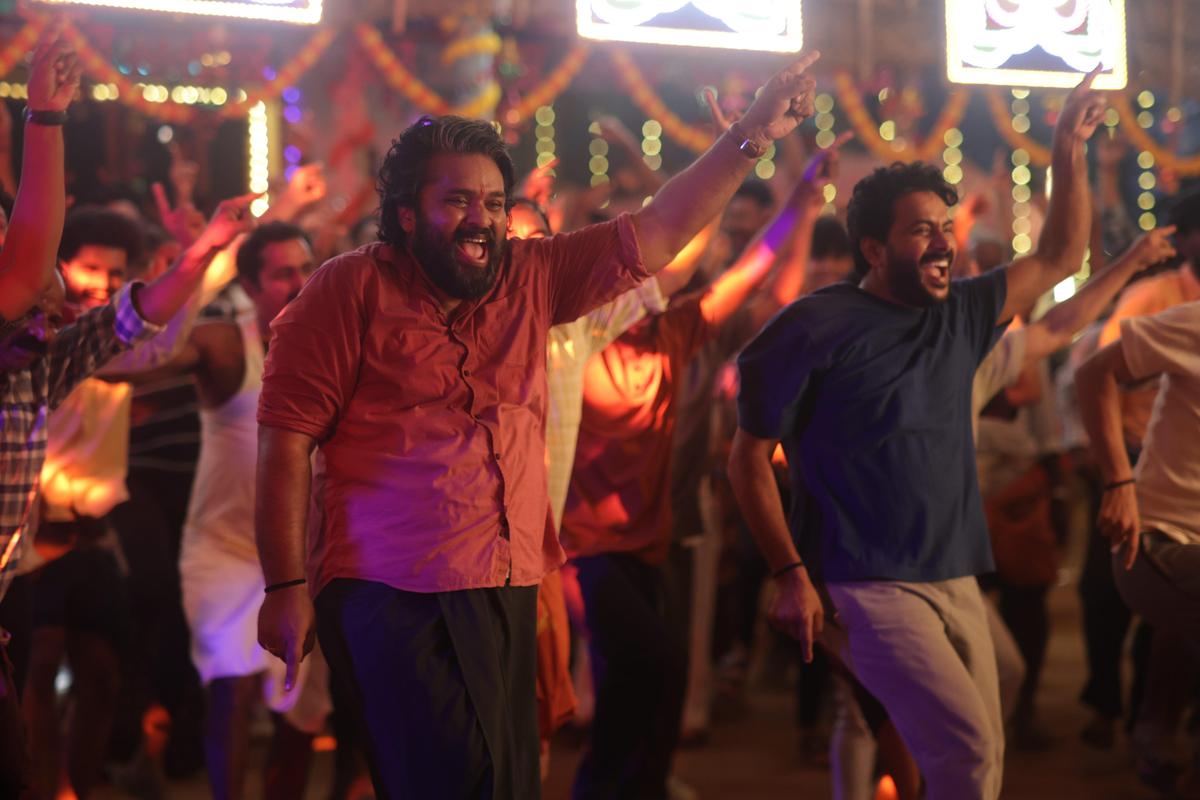
While Kantara: Chapter 1 was expected to grab eyeballs, the surprise came from Su From So. With actor-producer Raj B Shetty being the only familiar name, the sparsely promoted horror comedy and its refreshing humour proved the age-old adage: ‘content is king.’

Su From So was followed by the romantic thriller Elumale, another gem. The genre-specific film, directed by debutant Puneeth Rangaswamy, had the grammar of an edge-of-the-seat web series.
“A majority of people have lost trust in Kannada films, and the only way to regain it is by being consistent,” says filmmaker Tharun Sudhir, who bankrolled Elumale. “I also wish the audience would show more support for young talent. A Little Hearts in Telugu did great business. It didn’t have a big hero. I wish we saw that in Kannada as well,” he says.
The industry also witnessed encouraging efforts from debutants, as Nimma Vasthugalige Neeve Javaabdaararu, Hebbuli Cut and Edagaiye Apaghattake Karana drew praise from cinephiles.

The year concludes with a clash of titans at the box office. Darshan’s Devil will be followed by Sudeep’s Mark, and 45, starring the trio Raj B Shetty, Upendra and Shivarajkumar. Big films are always welcome, but people would hope they are served with quality to make their time worthwhile.
Hindi

A still from ‘Saiyaara’
| Photo Credit:
Special Arrangement
For Hindi cinema, 2025 was largely a year of the revival of old-school romance. Mohit Suri’s stirring ode to unadulterated love in Saiyaara worked like a juggernaut at the box office, bringing back the charm of timeless romance to the forefront. Film exhibitor Vishek Chauhan feels that there were indications of the film doing well all along.
“Re-releases of intense romantic-dramas were doing well. It really exploded when Harshvardhan Rane’s Sanam Teri Kasam re-released. The youngsters of this generation needed a love story which spoke of their aspirations. Saiyaara came in at the right time and did just that,” says Chauhan.
At the same time, star vehicles didn’t meet the same fate this year as Hrithik Roshan and Jr. NTR’s War 2 and Salman Khan’s Sikandar failed to generate interest. The genre of horror, too, which did wonders last year with Stree 2, Shaitaan and Munjya, didn’t evoke the same spark this year as seen in the lukewarm reception to films like Thamma and Maa. Chauhan says that audiences will go back to theatres to watch films they have not seen in a long time. “Viewing trends have shifted in recent times wherein audiences want to see simpler stories instead of grand spectacles,” he adds.
The year also marked a significant shift in how caste is portrayed in the mainstream, with Karan Johar’s Dharma Productions leading the narrative by backing Shazia Iqbal’s Dhadak 2 and Neeraj Ghaywan’s Homebound. Both these films were instilled with a deeply personal voice of the makers. Ghaywan says that he drew from his lived experiences to make the film. “A lot of the fear of being identified was part of my growing-up years. I also felt a sense of responsibility towards the people who are often overlooked in mainstream spaces,” he adds.

In essence, the year was also a call back to the early 2010s era with directors like Anurag Basu and Anurag Kashyap making a return to home territory with Metro…In Dino and Nishaanchi. An indie spell was also observed in the last leg with Raam Reddy’s stunning sophomore feature, Jugnuma, Aranya Sahay’s cautionary tale, Humans In The Loop and Kanu Behl’s Agra hitting the screens. Released on limited screens while struggling to get showtimes, the presence of their distinct storytelling was felt amid the big releases.
(Inputs from Bhuvanesh Chandar, Shilpa Nair Anand, Sangeetha Devi Dundoo, Vivek MV, Shreyas Pande)