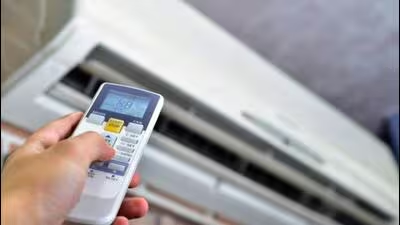
**कल्पना कीजिए…** वो गर्मियों की दोपहर जब पंखे की हवा भी आग बन जाती है, AC बंद हो जाता है क्योंकि बिजली की किल्लत है… घर में बैठे-बैठे आप पसीने से तर-बतर… बाहर निकलना तो दूर, AC के बिना जीना मुश्किल हो जाता है। लेकिन क्या आप जानते हैं कि आपका AC ही आपके घर की बिजली खत्म कर रहा है? और अगर इसे ठीक से चलाया जाए तो न सिर्फ आपकी जेब बचेगी, बल्कि पूरे देश को ₹2.5 लाख करोड़ की बचत होगी… और सबसे बड़ी बात, ब्लैकआउट का खौफ भी दूर हो जाएगा।
हैरान करने वाली बात ये है कि भारत में ACs अब बिजली की सबसे बड़ी भूख बन चुके हैं। हर साल 1 करोड़ से ज्यादा नए AC लग रहे हैं, और अगले 10 साल में 15 करोड़ और जुड़ जाएंगे। ये सिर्फ ACs ही हैं जो देश की बिजली की मांग को रातों-रात 60-70 गीगावाट तक पहुंचा देते हैं—जो पूरे देश की बिजली का 25% है! एक AC, LED बल्ब से 100-150 गुना ज्यादा बिजली खाता है। और यही वो ‘मंजर’ है जो आने वाले वक्त में देश को अंधेरे में धकेल सकता है।
**सच्चाई इससे भी भयानक है…** मई 21 को जब देश में भीषण लू ने लोगों को परेशान कर रखा था, तब देश की बिजली की मांग 270 गीगावाट तक पहुंच गई थी—और ये लगातार चौथे दिन रिकॉर्ड तोड़ रही थी। मौसम विभाग ने चेतावनी दी थी कि गर्मी और तेज होगी। लेकिन क्या आप जानते हैं कि बिना किसी नीति के अगर यही हाल रहा तो 2030 तक ACs ही 120 गीगावाट बिजली खा जाएंगे… और 2035 तक तो ये 180 गीगावाट तक पहुंच जाएगा—जो देश की कुल मांग का 30% होगा! इसका मतलब है कि अगर अब ही कुछ नहीं किया गया तो देश में बार-बार ब्लैकआउट होंगे, और सरकार को महंगे इमरजेंसी उपाय करने पड़ेंगे।
लेकिन एक स्टडी ने इस संकट का हल निकाला है—और वो है ACs की efficiency को दुगना करना। ‘बीटिंग द हीट: हाउ एयर कंडीशनर एफिशिएंसी स्टैंडर्ड्स हेल्प इंडिया एवर्ट पावर शॉर्टेजेस एंड कट कंज्यूमर बिल्स’ नाम की इस रिपोर्ट को UC Berkeley के इंडिया एनर्जी एंड क्लाइमेट सेंटर (IECC) ने तैयार किया है। इस रिपोर्ट के मुताबिक, अगर ACs की efficiency को दुगना कर दिया जाए तो अगले 10 साल में देश ₹2.5 लाख करोड़ बचा सकता है… और सबसे बड़ी बात, ब्लैकआउट का खतरा भी टल जाएगा।
**लेकिन कैसे?**
1. **नीति में बदलाव:** अभी भारत में ACs की न्यूनतम efficiency 1 स्टार है, जिसे 2028 तक 25% बढ़ाकर 2 स्टार किया जाएगा। लेकिन स्टडी कहती है कि अगर 2033 तक सबसे बेहतर AC (जो अभी 5 स्टार से भी ऊपर है) को न्यूनतम स्टैंडर्ड बना दिया जाए, तो 2030 तक 10 गीगावाट और 2035 तक 47 गीगावाट बिजली की बचत होगी—जो 100 बड़े पावर प्लांट्स के बराबर है।
2. **उपभोक्ताओं को फायदा:** हां, शुरुआत में AC थोड़ा महंगा लगेगा, लेकिन लंबे वक्त में ये उपभोक्ताओं की जेब बचाएगा। स्टडी के मुताबिक, अगर लोग efficient ACs खरीदें तो उन्हें अगले 10 साल में ₹90,000 से ₹2,40,000 करोड़ तक की बचत होगी—और ये पैसे सिर्फ 2-3 साल में ही निकल आएंगे क्योंकि बिजली के बिल कम होंगे।
3. **बाजार पहले से तैयार है:** स्टडी बताती है कि भारत में पहले से ही 1,000 से ज्यादा AC मॉडल्स 5 स्टार से ऊपर की efficiency रखते हैं। यहां तक कि कई भारतीय कंपनियां भी ऐसे AC बना रही हैं। दिल्ली, मुंबई, बेंगलुरु जैसे शहरों में ACs की पहुंच पहले से ही ज्यादा है—शहरी घरों में 10% और उच्च आय वर्ग में 25% तक।
**लेकिन सवाल ये है…** क्या सरकार इतनी बड़ी नीति बदलाव कर पाएगी? और क्या लोग महंगे लगने वाले AC को खरीदने के लिए तैयार होंगे?
**इतिहास की ओर मुड़कर देखें तो…**
भारत में ACs की efficiency को लेकर पहली बार 2016 में नीति बनाई गई थी, जब Bureau of Energy Efficiency (BEE) ने स्टार रेटिंग सिस्टम शुरू किया। तब से लेकर अब तक, ACs की efficiency में धीरे-धीरे सुधार हुआ है, लेकिन अभी भी बहुत कुछ किया जाना बाकी है। 2021 में, BEE ने 2028 तक ACs की efficiency में 25% की बढ़ोतरी का लक्ष्य रखा था, लेकिन स्टडी कहती है कि ये पर्याप्त नहीं है। अगर हम 2033 तक सबसे बेहतर AC को न्यूनतम स्टैंडर्ड बना दें, तो न सिर्फ बिजली की बचत होगी, बल्कि प्रदूषण भी कम होगा क्योंकि कम बिजली खर्च होगी।
**विशेषज्ञ क्या कहते हैं?**
स्टडी के मुख्य लेखक और UC Berkeley के फैकल्टी मेंबर निकित अभ्यंकर कहते हैं, “ACs पहले से ही 60-70 गीगावाट बिजली की मांग पैदा कर रहे हैं, और रात होने के बाद ग्रिड इसे संभाल नहीं पाता। अगर हमने अब ही नीति में बदलाव नहीं किया तो ब्लैकआउट का खतरा बढ़ जाएगा। लेकिन स्मार्ट नीति के साथ, हम इस चुनौती को उपभोक्ताओं, निर्माताओं और ग्रिड के लिए एक अवसर में बदल सकते हैं।”
वहीं, दूसरे लेखक अमोल फड़के कहते हैं, “लोगों को लगता है कि efficient ACs महंगे होते हैं, लेकिन हमारे विश्लेषण से पता चलता है कि efficiency कीमत का मुख्य कारण नहीं है। अगर सरकार सही नीति लाए और निर्माता बड़े पैमाने पर उत्पादन करें, तो efficiency और कम कीमत दोनों संभव हैं।”
**तो क्या होगा अगर हमने कुछ नहीं किया?**
अगर हमने अभी से कदम नहीं उठाए, तो 2035 तक ACs ही देश की कुल बिजली मांग का 30% खा जाएंगे। इसका मतलब है कि सरकार को नए पावर प्लांट लगाने पड़ेंगे, जो महंगे होंगे और प्रदूषण बढ़ाएंगे। इसके अलावा, बार-बार ब्लैकआउट होंगे, जिससे उद्योगों को नुकसान होगा और लोगों की जिंदगी मुश्किल हो जाएगी।
**लेकिन हां, एक रास्ता है…**
अगर सरकार, निर्माता और उपभोक्ता मिलकर काम करें, तो ACs की efficiency को दुगना किया जा सकता है। इससे न सिर्फ बिजली की बचत होगी, बल्कि देश ₹2.5 लाख करोड़ भी बचा सकेगा। और सबसे बड़ी बात, गर्मियों में AC बंद होने का डर भी दूर हो जाएगा।
**पाठकों की राय**
1. क्या आपको लगता है कि सरकार इतनी बड़ी नीति बदलाव कर पाएगी, या फिर राजनीतिक और आर्थिक दबाव इसे रोक देंगे?
2. अगर आपके घर में AC है, तो क्या आप efficient AC खरीदने के लिए ज्यादा पैसे देने को तैयार होंगे, भले ही लंबे वक्त में आपकी जेब बचे?